
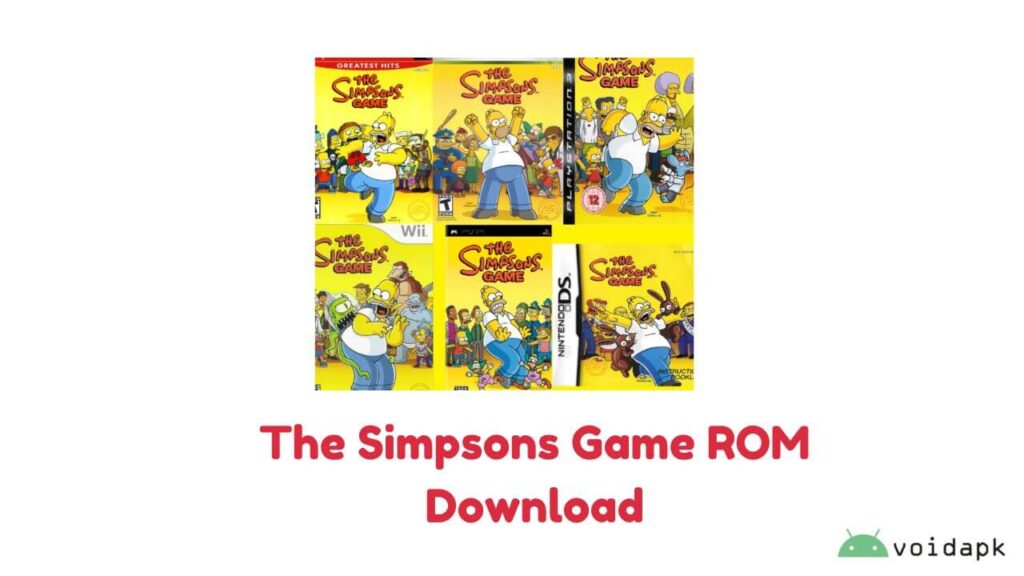
If you grew up watching The Simpsons or love games packed with clever parodies and hilarious storytelling, The Simpsons Game ROM for Nintendo DS delivers a nostalgic, action-packed adventure straight from Springfield. Developed and published by Electronic Arts in 2007, this game is a satirical take on both The Simpsons universe and the world of video games itself. It was released across multiple platforms, but the Nintendo DS version stands out for its unique gameplay mechanics, exclusive minigames, and portable cartoon chaos.
Based on the long-running animated series created by Matt Groening, this game combines platforming action, puzzle-solving, and a fourth-wall-breaking storyline that makes it both entertaining and refreshingly self-aware.
Let’s dive into a complete breakdown of the game’s plot, mechanics, characters, unique features, and why this ROM is still cherished by fans around the world.
📜 Game Overview
The Simpsons Game puts players in control of the beloved yellow family — Homer, Marge, Bart, Lisa, and occasionally even Maggie — as they discover they’re characters inside a video game. This realization leads them to harness unique powers, battle through levels filled with iconic parodies, and take on everything from video game clichés to their own 8-bit counterparts.
Unlike most licensed games, The Simpsons Game benefits from an original script written by the actual show’s writers, Tim Long and Matt Warburton, delivering authentic humor and voice acting straight from the source. The story even pokes fun at the game’s publisher, Electronic Arts, along with a wide range of pop culture references and popular video game franchises like Grand Theft Auto, Pokemon, Medal of Honor, and more.
🎮 Gameplay Mechanics on the Nintendo DS
While console versions (PS3, Xbox 360, Wii) followed a 3D action-platformer formula, the Nintendo DS edition features a side-scrolling 2D style that sets it apart, specifically tailored for the handheld experience.
👨👩👧👦 Character Abilities
Each Simpson family member has their own unique powers essential for progressing through different levels:
- Homer can transform into a giant rolling ball or use gas-based attacks.
- Bart becomes Bartman, gliding across gaps and using a slingshot for ranged attacks.
- Lisa uses her Hand of Buddha ability to manipulate objects from above.
- Marge leads crowds in protest and uses megaphones for crowd control.
- Maggie is used occasionally in mini-puzzles, crawling through tight spaces.
Levels are designed to require cooperation, even in single-player mode where players switch between characters. This encourages puzzle-solving and strategic thinking to overcome platforming challenges and enemy encounters.
🕹️ Mission Structure and Episodes
The game is structured into 16 episodes, each parodying a famous game or genre. These episodes include:
- “Lisa the Tree Hugger”, where Bart and Lisa stop a deforestation operation.
- “Big Super Happy Fun Fun Game”, a Japanese RPG parody.
- “Neverquest”, a fantasy spoof involving a two-headed Patty and Selma dragon.
- “Grand Theft Scratchy”, a brutal satire of violent open-world games.
Each episode blends platforming, combat, and puzzle segments while requiring different characters and abilities to succeed.
Once the main episodes are complete, bonus missions unlock, including:
- Artifact collection for each family member
- Cliché hunting – poking fun at common video game tropes
- Time trial challenges for faster level completions
✨ Exclusive Nintendo DS Features
The DS version offers several exclusive elements not found in console editions:
- Minigames: Unlockable arcade-style games inspired by classics like Frogger and Space Invaders. These are themed around The Simpsons universe, featuring aliens Kang and Kodos and others.
- Virtual Pet Homer: Similar to Tamagotchi, players can feed and entertain a virtual version of Homer while avoiding hazards like heart attacks and choking.
- Touchscreen Controls: Used for activating character powers, navigating puzzles, and controlling the HUD elements for smoother gameplay.
🧩 Humor, Parody, and Pop Culture References
The Simpsons Game thrives on its clever writing and satirical storytelling. Everything from gameplay mechanics to video game culture is mocked lovingly throughout:
- Will Wright, the real-life creator of The Sims, appears in the game as a villain who’s destroying old versions of The Simpsons.
- The 8-bit versions of the Simpsons represent a hilarious throwback to early gaming.
- Dance Dance Revolution, World of Warcraft, Mario, and even Pokemon are parodied in hilarious fashion.
The humor works for both casual players and die-hard Simpsons fans, blending the show’s irreverent tone with sharp industry satire.
🎭 Plot Summary
The story begins with Homer dreaming of a candy land called the “Land of Chocolate.” After waking up, Bart discovers a video game manual that grants the family special powers. They quickly realize that they’re inside a video game and decide to use their abilities for good — or at least for their own benefit.
Key plot events include:
- Bart and Lisa stopping a dolphin uprising led by mind-controlled aquatic creatures.
- Marge convincing Springfield to ban Grand Theft Scratchy, leading to protests.
- The family navigating a massive game engine where all games are created.
- Rescuing their 8-bit ancestors from Will Wright, who’s erasing older versions of the game.
- Traveling through parody games to collect key cards needed to reach the game’s creator.
- Confronting Matt Groening (yes, really) and characters from Futurama like Bender and Dr. Zoidberg.
The finale involves a trip to the heavens, a battle with God in a game of Dance Dance Revolution, and a tongue-in-cheek revelation that even God might be a video game character.
🏆 Awards and Reception
Despite some criticisms, the game received strong praise for its:
- Writing and voice acting
- Art style and humor
- Clever references and Easter eggs
It won the 2007 Spike Video Game Award for Best Game Based on a Movie or TV Show and the Writers Guild of America Award for Best Video Game Writing.
However, players noted the short campaign and some camera/control issues on other platforms. The DS version avoided many of these problems by sticking to 2D design, making it more enjoyable and accessible.
As of early 2008, over 4 million copies of the game were sold worldwide — a testament to its popularity and cultural impact.
❓ Frequently Asked Questions
🔸 Is The Simpsons Game worth playing in 2025?
Absolutely. While it’s over a decade old, the DS version offers timeless humor, unique gameplay, and a faithful representation of the beloved show. It’s especially fun for fans of retro games and The Simpsons universe.
🔸 How long does the game take to complete?
- Main Story: ~8 hours
- 100% Completion: ~16 hours (includes collecting all artifacts, clichés, and completing time challenges)
🔸 Can I still play The Simpsons Game ROM today?
Yes, using DS emulators like DeSmuME on PC or DraStic on Android, you can easily load the ROM file and relive the game. Ensure you’re using ROMs legally (i.e., as backups for your owned cartridges).
🔸 Why was the game removed from digital platforms?
The game was temporarily available on Xbox Live Arcade and PlayStation Network but was later delisted due to licensing issues. In 2021, Arcade1Up released a retro home arcade cabinet in celebration of the game’s legacy.
🏁 Final Thoughts
The Simpsons Game ROM (NDS) is a standout among licensed video games. With its engaging plot, hilarious writing, faithful character abilities, and unique DS features, it offers more than just another platformer — it’s a love letter to both The Simpsons and video game culture.
From battling mutant dolphins to invading the game engine, and from fighting aliens to playing DDR with God, the game never takes itself too seriously — which is exactly why it works so well. Whether you’re in it for the laughs, the nostalgia, or the clever level designs, The Simpsons Game is a wild ride through Springfield and beyond.
Download the ROM, load up your emulator, and dive into one of the funniest and most memorable DS adventures of all time. D’oh!