
Introduction
If you are a fan of classic Sega platformers, then Sonic Rush ROM is a title you cannot miss. Released in 2005 for the Nintendo DS, it was one of Yuji Naka’s final notable contributions to the Sonic franchise before leaving Sega. Developed by Sonic Team in collaboration with Dimps, this fast-paced platformer introduced new mechanics, dazzling visuals, and even a brand-new character — Blaze the Cat.
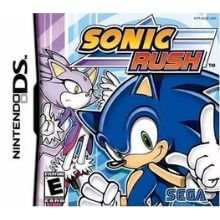
Sonic Rush is not just another Sonic game with shiny graphics. It bridges the nostalgic 2D gameplay of Sonic Advance with innovative 2.5D boss battles, setting a new benchmark for handheld platformers. The combination of side-scrolling action, speed-oriented gameplay, and dual-screen utilization makes it one of the most impressive titles on the Nintendo DS catalog.
Game Overview
- Title: Sonic Rush
- Platform: Nintendo DS (NDS)
- Developer: Sonic Team, Dimps
- Publisher: Sega
- Release Dates:
- North America: November 15, 2005
- Japan: November 18, 2005
- Europe (PAL region): November 23, 2005
The game follows Sonic the Hedgehog and Blaze the Cat as they combat two adversaries: Doctor Eggman and his parallel counterpart, Eggman Nega. The story brings together both dimensions, adding emotional depth and narrative layers that were unique for a handheld Sonic game during that era.
| Name | Sonic Rush ROM |
| Category | Adventure |
| Publisher | SEGA |
| Latest Version | 5.5.1 |
| Console | NDS |
Gameplay Experience
Classic Sonic Speed with New Twists
At its core, Sonic Rush is a 2D platformer where the objective remains classic: dash through levels as fast as possible, collect rings, defeat enemies, and reach the end goal. However, Sega incorporated several new twists to keep the gameplay engaging.
- Dual Characters: Players can choose between Sonic or Blaze, each with distinctive abilities. Sonic brings his trademark speed, while Blaze introduces fire-based attacks and enhanced aerial movement.
- Ring System: As always, rings act as both collectible and protection. Losing all rings leaves the player vulnerable to death after a single hit.
- Hazards: Falling into pits, drowning, or running out of time can also cost a life, pushing players to be faster yet precise.
Use of Both Screens
One of the standout features was how the DS’s dual screens were integrated. The playing field stretched across both screens, allowing characters to seamlessly transition between the upper and lower displays—something highly innovative at the time.
Zone Structure
Like earlier Sonic titles, the game is divided into several zones, each containing acts followed by a boss battle. These boss fights stand out due to their 3D-inspired mechanics, marking one of the first instances of 2.5D gameplay in the franchise.
Special Stages
Collecting all the Chaos Emeralds remains a vital challenge. The DS stylus is cleverly used in these bonus stages, reminiscent of Sonic the Hedgehog 2’s iconic half-pipe levels. The intuitive use of touchscreen controls helped Sonic Rush carve out its own identity separate from past titles.
Unique Features
Tension Gauge
A new mechanic introduced was the “Tension Gauge”, located on the left side of the screen. This bar filled up as players defeated enemies and performed aerial stunts. Once charged, it allowed characters to unleash powerful boosts, intensifying the sense of speed beyond classic Sonic games.
Replayability & Grading System
Every stage offers a grading system based on performance, encouraging players to replay and improve their ranks. This arcade-like scoring system gives the game high replay value, especially for completionists.
Blaze’s Story
The addition of Blaze the Cat gave Sonic Rush a stronger narrative arc. Blaze arrives in Sonic’s world after the Sol Emeralds are stolen by Eggman. Suspicious and guarded, Blaze at first resists forming bonds. However, her storyline explores themes of friendship, trust, and learning to depend on others.
Visuals & Soundtrack
Graphics
What made Sonic Rush stand out was its blend of 2D platforming with 3D elements. While the stages themselves followed traditional side-scrolling design, all boss fights implemented 3D visuals, creating dynamic battles unseen in prior handheld Sonic games. This fusion gave the game its renowned 2.5D feel.
Music
The soundtrack deserves special praise. Produced by Hideki Naganuma, famous for Jet Set Radio, the music added a funky and energetic vibe that perfectly complemented Sonic’s speed. Additional tracks were composed by Masayoshi Ishi, Hiroyuki Hamada, and Teruhiko Nakagawa, rounding off one of the best soundtracks on the DS.
Storyline Summary
The plot revolves around two dimensions colliding:
- Blaze’s Mission: Blaze seeks to recover the Sol Emeralds to restore balance to her world. Along the way, she bonds with Cream the Rabbit.
- Sonic’s Mission: Sonic must secure the Chaos Emeralds, stolen by Eggman Nega. Along with Tails, Sonic races against time to save both dimensions.
Ultimately, Sonic and Blaze team up, unlock the powers of Super Sonic and Burning Blaze, and vanquish the Egg Salamander mech — restoring the universal balance. By the end, Blaze learns the value of trust and friendship, while promising to reunite with her new companions.
Multiplayer Experience
The Nintendo DS’s local multiplayer feature allows two players to race through levels in head-to-head challenges. Even better, the game included Download Play, enabling multiplayer using just a single cartridge — a revolutionary feature for its time.
Reception and Legacy
Upon release, Sonic Rush was met with highly favorable reviews. Critics applauded its:
- High-speed action and tight controls
- Excellent soundtrack
- Combination of old-school platforming and new 2.5D mechanics
Some reviewers did note that the sheer speed could make gameplay overwhelming at times. Despite this, Sonic Rush cemented itself as one of the best Sonic handheld titles and went on to inspire its direct sequel, Sonic Rush Adventure (2007).
Blaze the Cat, introduced here, has since become a recurring and fan-favorite character in the Sonic franchise.
FAQs
Is Sonic Rush difficult?
Yes, compared to earlier Sonic titles, Sonic Rush features challenging stages and tough bosses. Even with its Easy Mode, many players found it more demanding than average platformers.
What’s the difference between Sonic Rush and Sonic Rush Adventure?
Sonic Rush introduced Blaze and the dual-screen gameplay. Sonic Rush Adventure acted as a sequel but expanded levels, added ship-based gameplay, and more variety in missions.
Does Sonic Rush connect to Sonic 06?
Blaze appears in both, but her timeline placement is ambiguous. While she meets Sonic, Tails, and Knuckles in Rush, her friendship with Silver is explained in Sonic 06.
Who composed the Sonic Rush soundtrack?
The legendary Hideki Naganuma composed the majority of tracks, with contributions from T’s Music team members. The soundtrack remains a highlight of the game.
Why Play Sonic Rush Today?
Even though it was released in 2005, Sonic Rush continues to shine because it blends nostalgia with innovation. From its split-screen high-speed segments to incredible boss battles and unforgettable soundtrack, this game demonstrates Sega’s ability to evolve the Sonic franchise while staying true to its roots.
Fans looking for an authentic Sonic experience filled with speed, stylish moves, and combat against Eggman will find Sonic Rush ROM for Nintendo DS one of the finest entries in Sonic history.
Conclusion
Sonic Rush ROM (NDS) stands as one of Sonic’s most polished handheld adventures. With two playable heroes, engaging mechanics like the Tension Gauge, unforgettable music, and challenging stages, it’s a title that blends the old and new seamlessly.
Whether you’re a die-hard Sonic fan or someone discovering Sega’s blue hedgehog for the first time, Sonic Rush is an experience worth revisiting. And with ROMs, you can enjoy this fast-paced journey today on modern devices.