
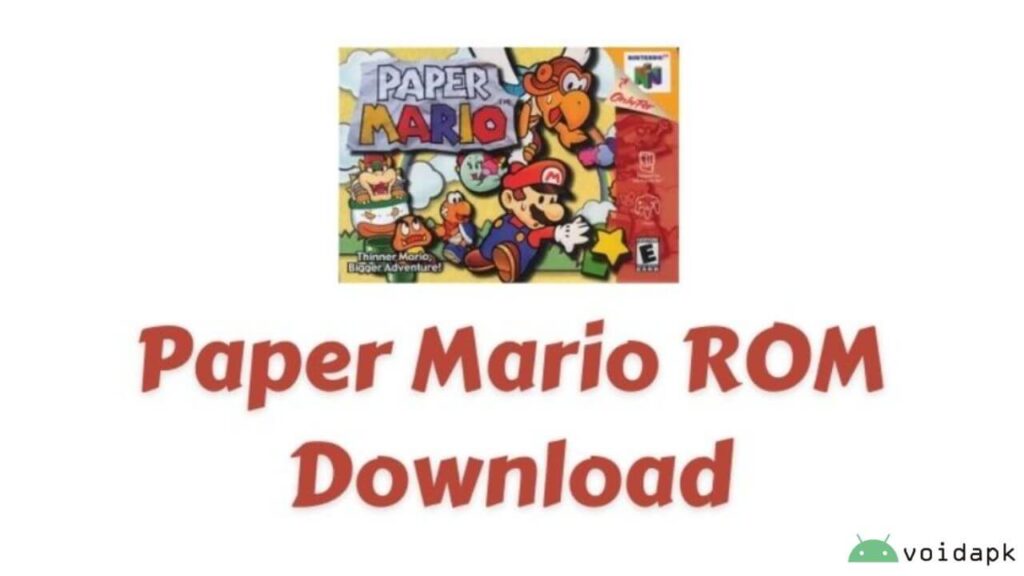
The Paper Mario series is one of Nintendo’s most beloved RPG (role-playing game) franchises. Born on the Nintendo 64 in 2000, the series redefined how Mario games could be played, shifting away from traditional platformers and moving into story-driven adventures with turn-based battles, witty dialogue, and charming papercraft-style visuals. Over 20 years later, fans still consider Paper Mario a timeless gem, blending nostalgia with unique mechanics that make it stand out against other RPGs.
This in-depth guide explores the history of Paper Mario, its distinctive features, iconic characters, evolving gameplay, and how the series continues to influence gaming and fan creations today.
What Makes Paper Mario Unique?
Unlike traditional Super Mario Bros. platformers, Paper Mario is a hybrid RPG designed with turn-based combat, puzzle-solving, and papercraft-inspired visuals. Nintendo took Mario’s colorful Mushroom Kingdom and flattened it into a 2D storybook world, where characters appear like paper cutouts but exist in fully 3D environments.
This unique art style wasn’t just cosmetic—it influenced gameplay. Mario could fold, flip, or slide through tight spaces that emphasized his “paper” form. Later games experimented with origami-inspired mechanics, stickers, and even real-time platforming, but the franchise stayed true to its paper-and-cardboard aesthetic.
Here are the core features that make Paper Mario stand out:
- Turn-Based Battles with Action Commands: Unlike classic RPGs where combat is passive, Paper Mario added interactivity. By pressing a button at the right moment, players could boost attacks or block enemy hits.
- Companion System: Mario recruits allies with unique abilities, such as Goombario with his tattle ability or Koops with his shell attacks. These companions often unlock overworld secrets too.
- Star Power Gauge: A unique meter that allows Mario to unleash special moves once charged.
- Humor & Personality: Every Paper Mario entry is packed with witty, self-aware writing. From sassy NPCs to Bowser’s clueless commentary, the humor makes the series memorable.
The Evolution of the Paper Mario Series
The series has gone through several gameplay shifts, with each game offering something distinct. Here’s a breakdown:
Paper Mario (Nintendo 64, 2000)
The original game introduced fans to a role-playing Mushroom Kingdom. With turn-based combat, charming companions, and the Star Spirits storyline, it set the tone for the series. Players loved the balance between puzzle-solving, exploration, and combat.
Paper Mario: The Thousand-Year Door (GameCube, 2004)
Often considered the best entry, The Thousand-Year Door expanded on the original by adding a deeper story, more companions, larger environments, and enhanced combat mechanics. Its combination of humor, mystery, and RPG depth cemented it as a fan favorite.
Super Paper Mario (Wii, 2007)
Breaking tradition, this installment leaned toward side-scrolling platforming instead of strict RPG combat. It introduced the ability to “flip” between 2D and 3D environments, creating fresh puzzle-solving opportunities.
Paper Mario: Sticker Star (Nintendo 3DS, 2012)
This game divided fans with its focus on collectible stickers instead of traditional experience points or RPG leveling. However, its visual style and puzzle mechanics pushed creativity further.
Paper Mario: Color Splash (Wii U, 2016)
A spiritual successor to Sticker Star, Color Splash leaned heavily on humor and colorful, papercraft-esque visuals. While combat still didn’t fully return to RPG roots, its creativity made it charming.
Paper Mario: The Origami King (Nintendo Switch, 2020)
The newest entry introduced origami-themed transformations and a circular battle arena system for strategic positioning. Its story mixed lighthearted comedy with surprisingly dark undertones, balancing nostalgia with innovation.
Gameplay Mechanics Explained
Paper Mario gameplay merges RPG elements with interactive puzzle-solving. Here’s a closer look:
- Turn-Based Combat with a Twist
Each battle plays out in turns, but with timing-based action commands. Pressing the button at the right time makes Mario’s jump stronger or blocks enemy attacks. This added reflex-based skills into traditional RPG combat. - Experience and Star Points
Defeating enemies earns Star Points, which allow Mario to level up and increase health, Flower Points (magic/skills), or Badge Points (used to equip special abilities). - Companions and Strategy
Companions are more than side characters; they each bring specific strengths in battle and help solve overworld puzzles. Choosing the right teammate at the right time is key to victory. - Exploration and Quests
Outside battles, Mario explores hub towns, quirky villages, and dangerous dungeons filled with puzzles requiring clever use of his paper abilities.
Fan Creations and Papercraft Inspiration
One of the most striking aspects of Paper Mario is its papercraft-inspired design. Fans worldwide have embraced this aesthetic through papercraft models, origami kits, and even fan-made video games.
- Papercraft Models: Fans often recreate Mario, Peach, Bowser, and even entire Mushroom Kingdom stages using paper and cardboard, bringing the 2D cutouts to life.
- Fan Games: Titles like “Papercraft Mario Bros.” attempt to recapture the charm of Paper Mario with indie flair, though they rarely reach Nintendo’s polished style.
- DIY Crafts: Players use templates to fold characters into 3D models, showing how strongly the paper aesthetic has influenced fan culture.
Legal Ways to Play Paper Mario Games Today
While many players search for Paper Mario ROM downloads, downloading and playing unofficial ROMs is illegal. Fortunately, there are official and legal ways to experience Mario’s papercraft adventures:
- Nintendo Switch Online + Expansion Pack: Nintendo 64 games, including Paper Mario, are available through the subscription service.
- GameCube (Original or Virtual Consoles): If you own a GameCube or Wii, The Thousand-Year Door remains playable. Fans also anticipate a future HD remake.
- Nintendo 3DS and Wii U eShop (for past buyers): Digital versions of certain Paper Mario games may still be available if already purchased.
- Nintendo Switch (Origami King): The latest entry is easily accessible for modern players.
By sticking with official releases, you support Nintendo and help ensure the series continues.
What Keeps Fans Coming Back?
The reason Paper Mario remains so beloved is more than nostalgia—it’s the charm, humor, and personality. The franchise offers:
- Memorable Characters: From quirky Toads to chatty Goombas, even minor NPCs have distinct personalities.
- Dynamic Gameplay: Mixing puzzles, battles, and exploration keeps the formula fresh.
- Visual Storybook Aesthetic: The papercraft look never goes out of style.
- Replay Value: With different strategies, puzzle paths, and hidden secrets, each playthrough feels rewarding.
Frequently Asked Questions (FAQ)
1. Is there going to be a new Paper Mario game?
Nintendo hasn’t confirmed the next installment, but given the popularity of The Origami King, many fans expect news in future Direct presentations.
2. Which Paper Mario game is the best?
Most fans consider The Thousand-Year Door the pinnacle of the series due to its balance of humor, story, and classic RPG mechanics.
3. Is Super Paper Mario an RPG?
Not exactly. It’s more of a platformer with light RPG elements, focusing on 2D-to-3D level shifting instead of turn-based combat.
4. Can you emulate Paper Mario on PC?
Technically, yes, but unofficial emulation and ROM downloads are illegal. It’s better to use Nintendo’s official re-releases.
Conclusion: The Legacy of Paper Mario
Paper Mario continues to stand as one of Nintendo’s most creative reinventions of their flagship character. By blending papercraft visuals, clever storytelling, and a mix of RPG and puzzle mechanics, the series has carved out its own unique place in gaming. Whether you grew up with the Nintendo 64 original or discovered the series through The Origami King, there’s no denying its charm and influence.
For fans who want to revisit the games today, the best route is through Nintendo Switch Online and official re-releases. Beyond gaming, Paper Mario’s papercraft spirit has inspired countless fan-made projects, from crafts to fan games, proving that Mario’s paper adventure is more than just a game—it’s a creative movement.
With two decades of history and an enthusiastic fan base, Paper Mario remains one of Nintendo’s most beloved series—and its legacy shows no signs of folding anytime soon.