
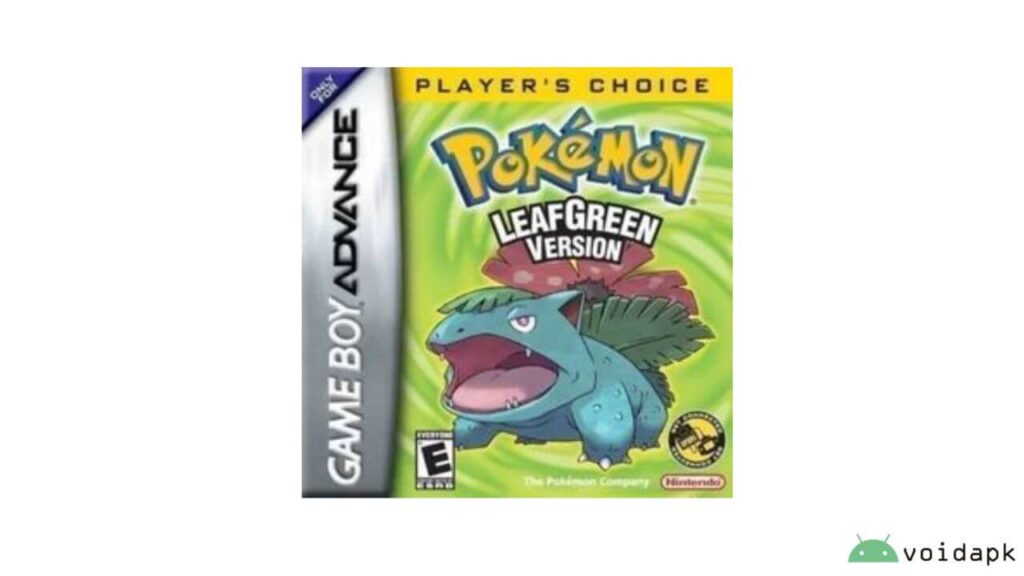
Pokemon Leaf Green Version, released alongside Pokemon FireRed in 2004, brought a wave of nostalgia to Game Boy Advance fans by remaking the classic 1996 Pokemon Red and Green games with updated graphics, mechanics, and features. Developed by Game Freak and published by Nintendo and The Pokemon Company, this title stands out as a refined blend of the franchise’s early charm and third-generation gameplay enhancements.
What Is Pokemon Leaf Green?
Pokemon Leaf Green is a role-playing game (RPG) that revives the adventures from the original Red and Green versions, originally exclusive to Japan. Players explore the Kanto region, capture and train a wide variety of Pokemon, and challenge the Elite Four to become the Pokemon Champion. The game is part of the third generation (Gen III) of Pokemon titles, which also includes Ruby, Sapphire, and Emerald, and was the first set of enhanced remakes in franchise history.
Release History and Development
Leaf Green and FireRed debuted in Japan on January 29, 2004, before launching in North America and Europe later that year. Notably, these remakes utilized the improved game engine from Ruby and Sapphire, offering smoother gameplay, updated battle systems, and compatibility with the Game Boy Advance Wireless Adapter—a significant innovation at the time.
Despite massive success from Pokemon Ruby and Sapphire, initial Japanese production for FireRed and LeafGreen was limited to 500,000 copies, possibly due to cautious Nintendo strategy or the wireless adaptor’s manufacturing complexity. Both titles went on to sell over 12 million copies globally and received Player’s Choice re-releases thanks to their popularity.
Standout Features of Pokemon Leaf Green
- Updated Graphics & Audio: The game features vibrant color palettes, improved sprites, and enhanced sound compared to the originals.
- Enhanced Gameplay: Incorporates upgraded mechanics like abilities, natures, and double battles from Gen III games.
- Wireless Connectivity: Bundled with the Game Boy Advance Wireless Adapter, enabling local wireless battles and trades for the first time in Pokémon handheld history.
- Contextual Help System: Offers new players in-game assistance directly from the main menu, making the adventure more approachable.
- Sevii Islands: Introduces an entirely new area accessible post-game, with additional Pokémon, challenges, and storylines.
Story and Gameplay
The Journey Begins
Players take the role of a silent protagonist residing in the small town of Pallet. After venturing into tall grass and being rescued from wild Pokemon by Professor Oak, players receive their starter Pokemon and face off against their rival—often Oak’s grandson—in their first battle. The core mission involves building a diverse team, battling Gym Leaders, and ultimately defeating the Elite Four.
Classic Kanto Adventure, Modernized
The plot remains true to the original Kanto region games but layers in quality-of-life improvements and extra content:
- Pokedex Quest: Players help Professor Oak complete the Pokedex by capturing Pokemon scattered throughout the region.
- Team Rocket: The criminal organization returns as key antagonists, with the player thwarting plots to exploit rare Pokemon.
- Sevii Islands Expansion: After the main League challenge, a series of islands adds new stories, rare Pokemon, and opportunities for trading with Gen III games.
- Trading and Battling: A major focus remains on connecting with other players to trade exclusive Pokemon and engage in multiplayer battles, a cornerstone of the series’ enduring social appeal.
Unique Pokemon and Regional Differences
Certain creatures—such as Ekans, Vulpix, and Sandshrew—can only be found in Leaf Green, requiring players to trade with FireRed to complete the Pokedex. This version-exclusive approach encourages social play and highlights the series’ original “Gotta Catch ’Em All” spirit.
Comparison: Leaf Green vs. FireRed
While the core narrative and mechanics remain consistent between the two versions, each offers a subset of exclusive Pokémon, making them complementary for dedicated collectors and competitive players.
| Feature | Pokemon Leaf Green | Pokemon FireRed |
|---|---|---|
| Exclusive Pokemon | Oddish, Sandshrew, Slowpoke, Mr. Mime, etc. | Growlithe, Ekans, Scyther, Electabuzz, etc. |
| Main Legendary | Articuno, Zapdos, Moltres (available in both) | Articuno, Zapdos, Moltres (available in both) |
| Wireless Adapter | Yes | Yes |
| Post-Game Content | Sevii Islands, Trading with Gen III | Sevii Islands, Trading with Gen III |
Reception and Legacy
Pokemon Leaf Green earned an aggregate score of 81% on Metacritic, signifying generally positive reviews. Critics praised the game for successfully modernizing the classic Kanto experience without losing its fundamental appeal. The inclusion of the Wireless Adapter, expanded content, and approachable help systems were especially well-received, even though some reviewers noted the visuals and sounds were relatively simplistic compared to newer entries like Ruby and Sapphire.
With combined sales exceeding 12 million units and continued influence on future remakes like HeartGold, SoulSilver, Omega Ruby, and Alpha Sapphire, Leaf Green has solidified its place in the Pokemon legacy.
The Sevii Islands: Post-Game Innovation
After conquering the Pokémon League, players unlock the Sevii Islands—a fresh batch of areas teeming with Gen I and II Pokemon, side quests, and the secondary plot of thwarting Team Rocket one final time. Completionists must collect two rare stones, Ruby and Sapphire, unlocking advanced trade options with Ruby, Sapphire, Emerald, Colosseum, and XD: Gale of Darkness. These islands extend gameplay for dozens of additional hours and represent one of the most significant additions in the remake versions.
Trading & Multiplayer: Evolutionary Steps
Pokemon Leaf Green was a pioneer in integrating wireless features widely into the Pokemon formula. The GBA Wireless Adapter allowed groups to battle and trade effortlessly, eliminating cumbersome link cable limitations. This move paved the way for Wi-Fi features in later generations, making multiplayer connectivity a series cornerstone.
Frequently Asked Questions
Is FireRed better than Leaf Green?
Both games are effectively identical in gameplay, story, and content, with version-exclusive Pokemon influencing the choice. Hardcore fans may prefer one due to nostalgia or for completing their Pokedex via trading.
What generation is Leaf Green?
Leaf Green is part of the third-generation Pokemon games, released with modernized mechanics and backward compatibility for hidden content with Ruby, Sapphire, and Emerald.
Can you catch all Pokemon in Leaf Green?
No single version contains all 150 original Pokémon. For full completion, trading with FireRed or other compatible Gen III titles is necessary.
Why Play Pokemon Leaf Green Today?
- Timeless Classic: Leaf Green blends the best elements of the original with much-needed gameplay and interface improvements, offering a warm nostalgia trip for veteran fans.
- Rich Content: Between the Kanto campaign, Sevii Islands expansion, and improved multiplayer, there’s enough content to satisfy even the most seasoned adventurers.
- Perfect for Beginners: The help system, streamlined training mechanics, and faithful adaptation make it highly welcoming for new Pokémon trainers.
Conclusion
Pokemon Leaf Green Version remains an essential entry in the franchise, providing a perfect gateway to the classic Kanto region with the conveniences of third-generation mechanics. For collectors, battlers, and explorers alike, the game delivers an enduring adventure that stands the test of time, inspiring future Pokemon remakes and cherished by millions worldwide.